How to Create Meaningful New Year’s Resolutions That Stick
How to Create Meaningful New Year’s Resolutions That Stick
(Especially When You’re Already Tired, Overwhelmed, or Unsure Where to Start)
Introduction: You Don’t Need to Become a “New Person” Overnight
Every January, we’re flooded with messages telling us it’s time to reinvent ourselves and “make New Year’s Resolutions. We are to set bigger goals. Be more disciplined. Fix everything that didn’t work last year.
But what if you’re already exhausted and this year was not what you hoped for?
What if you’re carrying years of stress, grief, trauma, burnout, or emotional weight—not just months—of pushing through?
If that’s you, you’re not broken. You’re human and your feelings of “struggle” are valid.
Most people don’t fail at New Year’s resolutions because they lack motivation or willpower, or a desire to succeed or do things “differently”. They fail because they’re trying to create change without enough support, guidance, emotional readiness, or a clear connection to purpose, vision, or identifying what truly matters to them. The desire for meaningful change is there — what’s often missing are measurable steps to creating a sustainable, and compassionate purpose.
This year, let’s talk about how to create New Year’s resolutions that stick, support your mental health, and lead to real personal growth and development that is individualized to YOU.
Why Most New Year’s Resolutions Fail
Traditional New Year’s resolutions tend to focus on a year’s worth of outcomes instead of inner alignment that is broken down into 12 week or quarterly goals to keep the momentum going. They’re often built on pressure, perfectionism, and unrealistic expectations over a period of 365 days, which is typically too long of a goal, and most people give up before fall.
Some of the most common reasons resolutions fall apart include:
All-or-nothing thinking (“If I miss a day, I’ve failed.”)
Perfectionism disguised as motivation
Ignoring emotional readiness and nervous system capacity (overload and burnout)
Trying to change behavior without addressing underlying patterns or trauma
Using self-criticism and self-judgment (affecting self-esteem and sense of self-worth) instead of self-compassion
When your nervous system is already overwhelmed, adding rigid, long-term goals, without proper “chunking” of those goals and methods to achieve them, can actually increase stress, shame, and avoidance, leading to a senf of failure. This is why so many people feel discouraged by February, and give up all-together before the fall — not because they didn’t care, but because their goals weren’t emotionally grounded, realistic, and the support to achieve them was absent or insufficient.
Why short-term Intentions Work Better Than Goals
Goals tell you what to do.
Intentions remind you why you’re doing it. Identify your compelling purpose.
Intentions are values-based. They offer flexibility, self-compassion, and direction — especially when life gets messy (which it always does). You can always attach your attention and drive to your purpose.
For example:
A goal says: “Exercise five days a week.”
An intention with purpose says: “I want to care for my body in a way that supports my mental health. and works for me and my schedule.”
When you focus on intentions:
You stay aligned with your values, needs and limits
You reduce shame when plans shift, and are self compassionate
You create room for growth instead of rigidity
You’re more likely to sustain change over time, and “chunk” the steps
This approach is especially powerful for people navigating stress, trauma histories, grief, chronic illness, or major life transitions.
How Therapy Supports Sustainable Change
Therapy isn’t just for crisis moments — it’s one of the most effective tools for therapy for personal growth, life transitions, and long-term change.
In therapy, you’re not just setting resolutions. You’re:
Exploring emotional blocks that sabotage follow-through
Identifying patterns rooted in trauma, attachment, or past experiences
Learning how your nervous system responds to pressure and stress
Developing realistic strategies that work with your life, not against it
Building accountability with compassion
Modalities like EMDR, CBT, Internal Family Systems (IFS), Somatic Therapy, and Gottman-informed work help clients create change that feels embodied, not forced.
This is how New Year mental health goals become sustainable — because they’re supported, personalized, and emotionally informed.
Creating Resolutions That Stick (Examples That Support Mental Health)
Here are a few meaningful resolution styles tailored for highly stressed professionals and adults seeking deeper emotional change:
Instead of: “I’ll stop being so anxious.”
Try: “I’ll learn new ways to regulate my nervous system when my anxiety shows up.”
Instead of: “I’ll finally fix my relationship.”
Try: “I’ll learn to communicate my feelings and needs clearly and safely.”
Instead of: “I need better boundaries.”
Try: “I’ll learn and practice saying no without over-explaining , fawning, self-sacrificing or guilt and shame .”
Instead of: “I’ll be happier this year.”
Try: “I’ll prioritize therapy, rest, self-compassion and emotional honesty.”
These types of resolutions honor your mental health, your humanity, and your capacity — which is exactly why they last.
Call to Action: Create Grounded, Values-Driven Change This Year
You don’t need another year of starting over alone or losing momentum due to lack of support.
If you’re ready to create New Year’s resolutions that stick, support your mental health, and experience real personal growth, therapy can help you do this in a grounded, sustainable way.
✨ Start the new year with support — not pressure.
👉 Explore Therapy & Specialty Services
👉 Schedule a Consultation
About Roxana Carmenate, LCSW-QS, MCAP
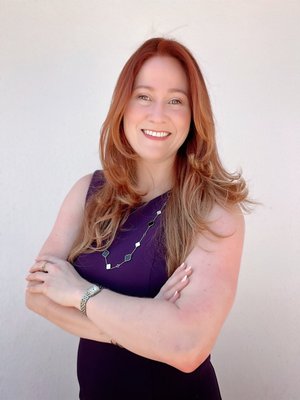
Roxana Carmenate, LCSW-QS, MCAP is a Licensed Clinical Social Worker and Psychotherapist with over 23 years of experience supporting clients in-person and virtually throughout South Florida, including Miami, Orlando, Pembroke Pines and Fort Lauderdale, as well as, virtually throughout South Carolina.
She specializes in Trauma, Attachment, Grief, Phobias, Couples Therapy, Life Transitions, and Chronic Health Conditions and Pain. Roxana is an expert in intensive therapy and uses evidence-based approaches such as EMDR, CBT, Internal Family Systems (IFS), Gottman Method, and Somatic Therapy to help clients heal from experiences that impact daily life and overall sense of well-being.
At Renew Your Mind Counseling, LLC, we are committed to providing compassionate, expert care, both in-person and online, for clients across Florida and South Carolina.